Escalation in Turkish Airspace
Turkey has intensified its airspace monitoring after shooting down a drone over the Black Sea on Monday and discovering two additional drones near Istanbul in separate incidents over five days. Authorities in Ankara have linked these developments to the ongoing conflict in Ukraine and its spillover into the Black Sea region.
Drone Interception Over Çankırı
Turkish F-16 fighter jets intercepted and destroyed an unmanned aerial vehicle that entered Turkish airspace from the Black Sea, according to the Ministry of National Defence. The drone was neutralized near Çankırı, roughly 120 kilometers from the capital Ankara, after appearing to lose control.
Discovery of Crashed Drones Near Istanbul
Earlier in the week, a drone was found near Kocaeli, about 30 kilometers south of Istanbul. The Interior Ministry reported that initial analysis identified it as a Russian-made Orlan-10, typically used for reconnaissance and surveillance.
The following day, a second drone was located in a field near Balıkesir, approximately three hours southwest of Istanbul. Farmers discovered the device and handed it over to authorities for transport to Ankara for further investigation. The origin of this drone remains under review.
Air Defence Measures and Challenges
The ministry emphasized that the Monday interception was executed at the most suitable location after all procedures were followed. The debris scattered widely, complicating recovery efforts. Officials warned that ongoing conflict in the region requires heightened caution to prevent security incidents in the Black Sea.
Questions About Radar and Air Defence Systems
These incidents raised concerns about Turkey’s air defence readiness. Opposition CHP deputy Namık Tan, a former ambassador, questioned whether Turkey’s radar system could adequately detect drones approaching the capital and strategic defense sites.
The Defence Ministry rejected these criticisms, highlighting a continuous and layered airspace control system that includes radar, early warning, electronic warfare, and interception mechanisms. They also noted that the small size of drones presents significant detection challenges, requiring coordination across multiple sensor systems.
Impact on Civil Aviation
During the drone interception, four passenger aircraft approaching Ankara Esenboğa Airport were diverted to Konya on December 15 as a precautionary measure.
Rising Black Sea Tensions
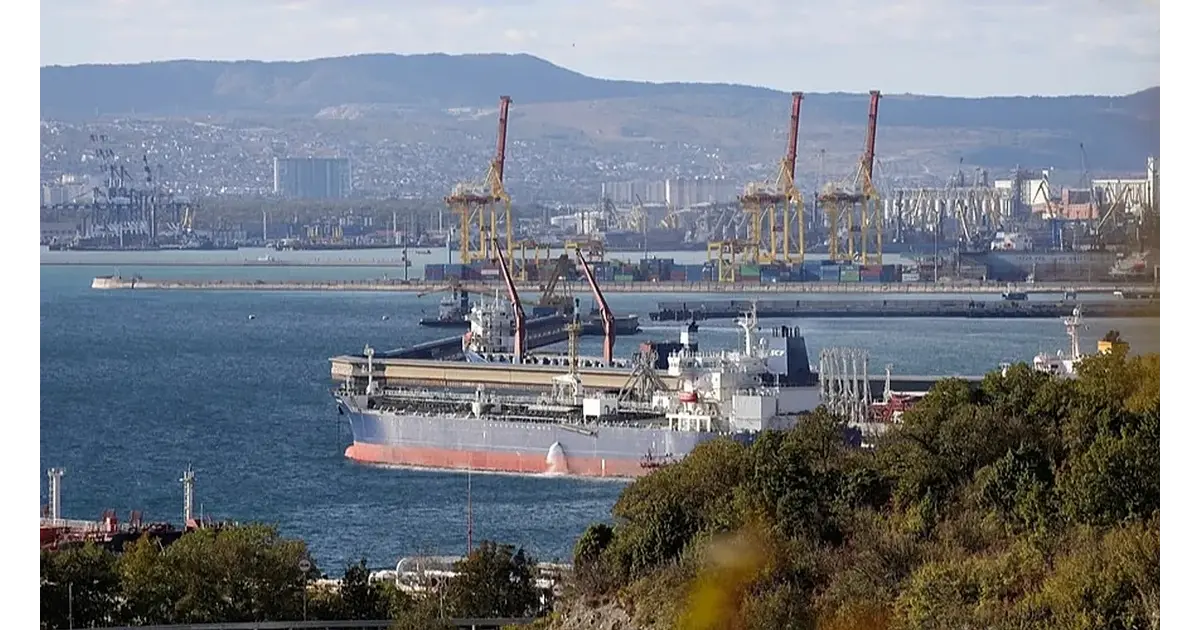
The drone incidents coincide with increased attacks on vessels in the Black Sea, including Turkish-owned ships. In late November, Ukrainian forces targeted two tankers linked to Russia’s shadow fleet near Turkey’s coast, prompting rescue operations by Turkish teams.
Early December saw the tanker Midvolga-2, transporting sunflower oil from Russia to Georgia, attacked 130 kilometers off the Turkish coast. On December 12, a Russian missile struck the Panama-flagged Turkish vessel Cenk T while anchored in Odesa port. The ship, operated by Turkish company Cenk Ro-Ro, provides passenger and freight services between Turkey and Ukraine.
Turkey Calls for Restraint
President Recep Tayyip Erdoğan urged both Russia and Ukraine to refrain from targeting civilian and merchant ships, warning that such attacks benefit no one. Turkey has consistently condemned attacks and called for restraint, maintaining diplomatic engagement with both nations despite the ongoing conflict.
Strategic Importance of the Black Sea
The Black Sea region connects Turkey, Russia, Ukraine, Georgia, Bulgaria, and Romania. Turkey controls the Bosphorus and Dardanelles straits, the only maritime passages between the Black Sea and the Mediterranean, underscoring Ankara’s strategic role in regional security.
Related posts:
Patriot Teaser Unveiled: A Star-Studded Comeback
Portland Deployment: Trump Cites Terror Threat
Bhagat Singh Jayanti 2024: On Bhagat Singh's birth anniversary, read the story of his life from birt...
Duleep Trophy 2024: Tilak Verma hit a brilliant century
Fitness Icon Varinder Ghuman Dies at 41
Realme 15 Pro: The Game of Thrones Edition
About the Author