Absolutely. I’ve rewritten it in a more neutral, professional news-reporting style, while retaining the concerns around competition, driver livelihoods, commuter choice and regulatory compliance. I’ve also avoided inserting section-divider lines.
Chandigarh Cab Restrictions Leave Drivers Without Earnings, Commuters With Fewer Choices
Chandigarh: The suspension of aggregator licences of several major private ride-hailing platforms in Chandigarh has raised concerns among drivers and commuters, with the city’s app-based mobility market now offering significantly fewer choices.
Major platforms, including Ola, Uber, inDrive and Rapido, are currently facing restrictions on their operations in Chandigarh, while Bharat Taxi remains operational. The situation has prompted questions over competition in the city’s ride-hailing market and the impact of prolonged regulatory restrictions on drivers, commuters and the wider mobility ecosystem.
The Chandigarh Administration has said the suspensions were imposed over alleged non-compliance with provisions of the Chandigarh Motor Vehicles Aggregators Rules, 2025. The rules cover areas including fares, insurance, driver training and other operational and safety requirements.
Representatives of some of the suspended aggregators have approached the State Transport Authority seeking a review of the restrictions. Operators including Ola and inDrive have maintained that steps have been taken to meet the applicable compliance requirements and have sought permission to resume services.
For thousands of drivers associated with these platforms, the restrictions have a direct impact on their earning opportunities. Many depend on ride-hailing as a primary or significant source of income, while continuing to bear expenses such as vehicle EMIs, fuel, maintenance, insurance and household costs.
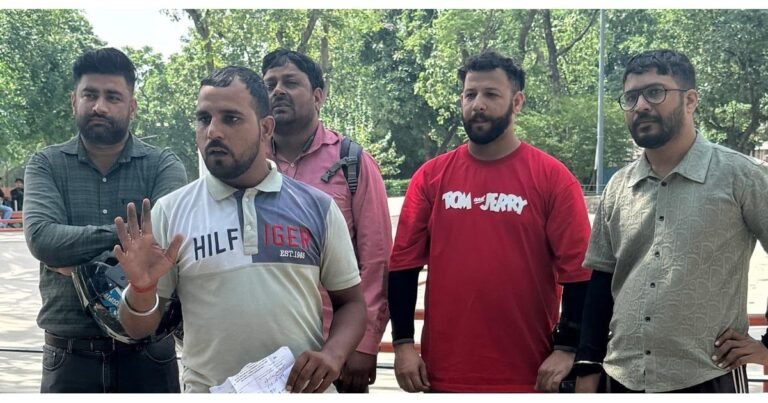
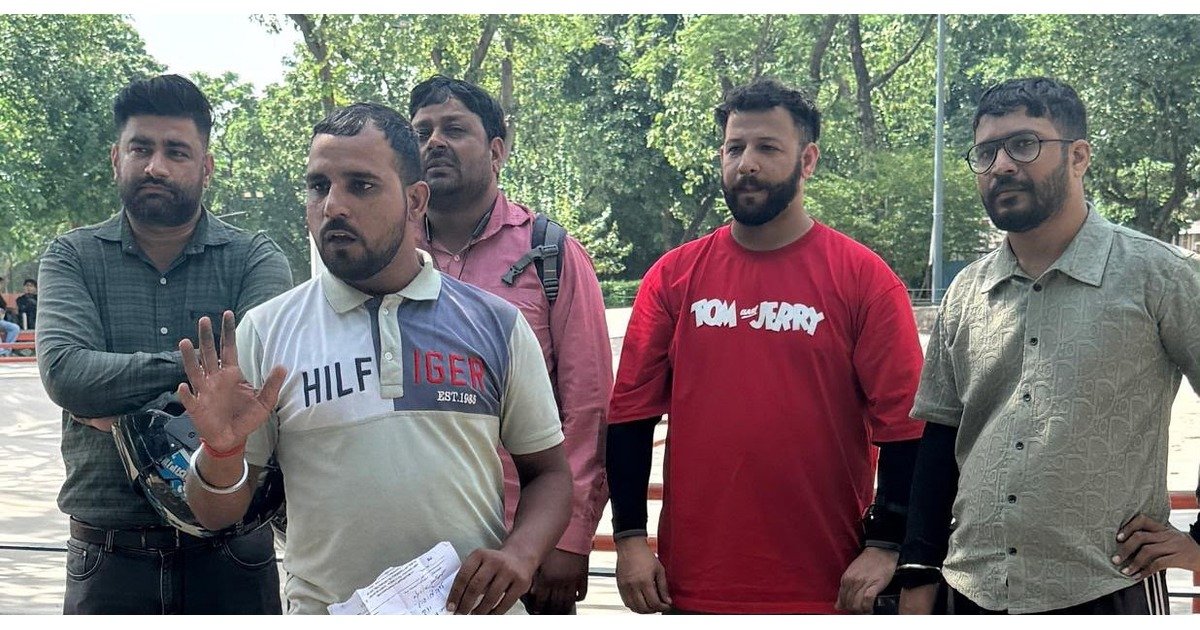
Drivers have also raised concerns through protests and representations seeking relief from the suspensions. Their demand is largely centred on being allowed to resume operations on platforms that meet the applicable regulatory requirements.
The issue has also affected commuters who rely on app-based taxis for daily travel. Ride-hailing services are used for office and college commutes, hospital visits, railway station and airport transfers, late-evening travel and first- and last-mile connectivity across Chandigarh and the wider Tricity region.
With several established platforms currently unable to operate, commuters have fewer options to compare fares, availability and service levels. Drivers, meanwhile, have fewer platforms through which they can seek rides and generate income.
The situation has consequently brought renewed attention to the role of competition in the ride-hailing sector. A competitive market allows consumers to compare different services while giving drivers the ability to choose between platforms based on fares, availability, incentives and other terms.
A cooperative or driver-owned platform can also compete in such a market and succeed if it offers services that drivers and consumers prefer. However, questions about market competition arise when established alternatives remain unavailable because of regulatory restrictions.
The issue, therefore, is not simply about the presence of one particular aggregator. It concerns how regulatory enforcement can be balanced with the need to maintain consumer choice, driver earning opportunities and fair competition.
If an aggregator is found to be non-compliant with applicable rules, regulatory action can provide a mechanism to address those deficiencies. At the same time, where an operator demonstrates that the cited compliance requirements have been fulfilled, a transparent and timely review can provide clarity to companies, drivers and commuters.
The continued suspension of multiple platforms has also raised concerns about market concentration. With Bharat Taxi currently remaining among the major app-based options available in Chandigarh, the reduced presence of competing platforms has intensified discussions about whether consumers are being left with limited choices.
However, the question of whether the present situation amounts to a legal monopoly or constitutes anti-competitive conduct would depend on the relevant market, applicable competition law and the facts established by the competent authorities. The mere fact that fewer platforms are operating does not, by itself, establish a violation of competition law.
For Chandigarh, the immediate concern is the need for clarity. Drivers want to know when they can resume earning through their preferred platforms, while commuters want access to reliable and affordable mobility options.
A regulatory framework can require every aggregator to meet the same standards on safety, insurance, fares, training and other operational requirements. At the same time, once those requirements are met, allowing compliant operators to compete can help preserve consumer choice and provide drivers with greater flexibility in selecting platforms.
As representations from suspended aggregators remain before the authorities, the outcome of the compliance review could have implications beyond the companies involved. It could determine how Chandigarh balances regulatory enforcement with competition, consumer choice and the livelihoods of thousands of drivers dependent on the city’s app-based mobility sector.
About the Author