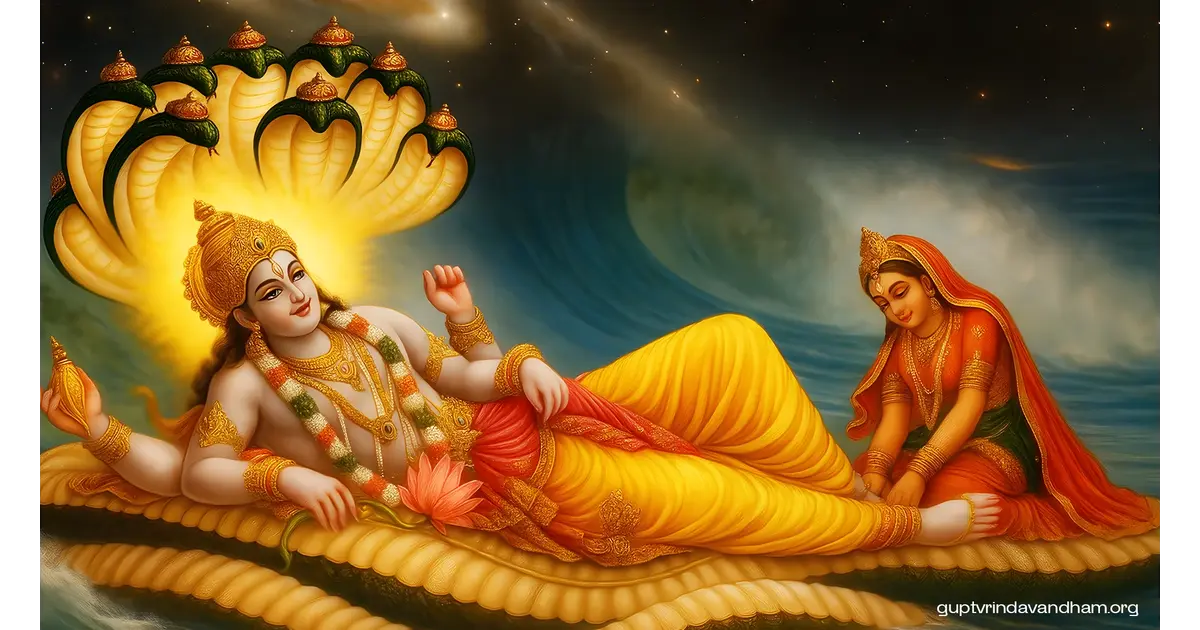
Mokshada Ekadashi holds a special place in Sanatan scriptures. Observing this sacred fast with devotion is believed to liberate a person from sins, bringing inner peace, happiness, and spiritual upliftment. Reciting the Mokshada Ekadashi story is said to invoke the blessings of Lord Vishnu and bring auspicious outcomes.
The Spiritual Importance of Mokshada Ekadashi
Mokshada Ekadashi falls on the Shukla Paksha Ekadashi of the Margashirsha month. According to religious beliefs, observing this fast helps cleanse past karmas and grants spiritual merit. Devotees consider it an opportunity to strengthen their devotion and seek divine grace.
Mokshada Ekadashi Vrat Katha
The Tale of King Vaikhanas
Long ago, in the kingdom of Champaknagar, ruled King Vaikhanas. This kingdom was home to learned Brahmins who were well-versed in all four Vedas. One night, the king had a troubling dream: he saw his ancestors suffering in hell. The vision left him deeply disturbed and restless. Seeking guidance, he shared his dream with the Brahmins, expressing his anguish and helplessness.
Seeking Wisdom from Sage Parvat Rishi
The Brahmins advised the king to consult the revered Sage Parvat Rishi, known for his knowledge of past, present, and future. Following their guidance, the king visited the sage’s ashram and recounted his disturbing dream.
The Sage’s Advice
Listening patiently, the sage advised the king to observe the Mokshada Ekadashi fast on the Shukla Paksha Ekadashi of Margashirsha. He explained that performing this vrat with devotion would release his ancestors from the torments of hell.
The King’s Devotion and Its Rewards
King Vaikhanas followed the sage’s instructions carefully, observing the fast with dedication and performing the prescribed rituals. As a result, his ancestors were liberated from their sins, attaining peace and spiritual salvation.
Observing Mokshada Ekadashi
Devotees celebrate Mokshada Ekadashi by fasting, offering prayers to Lord Vishnu, and reciting the sacred story. It is believed that sincere observance of this vrat brings relief from sins, spiritual merit, and divine blessings.
About the Author