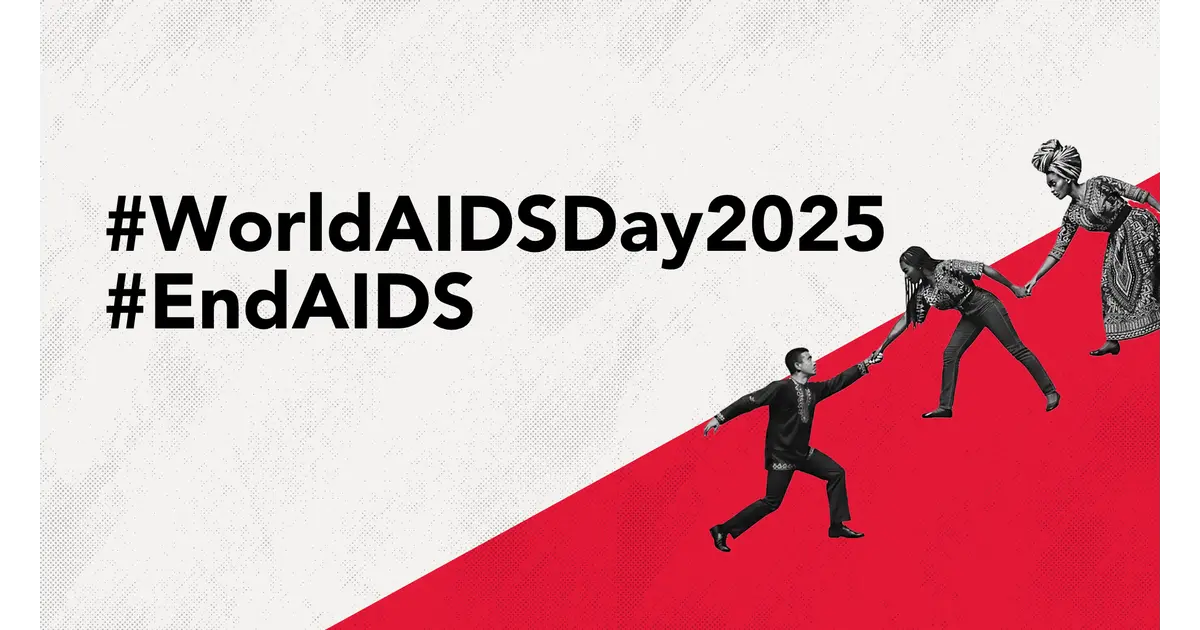
Every year, our calendars are filled with observances, but few days compel us to pause with genuine reflection. December 1 is one such day. World AIDS Day is dedicated to remembering the lives affected by HIV and acknowledging those living with the virus today. It is a moment to honor resilience, raise awareness, and renew global commitment to ending AIDS. This year, the theme “Overcoming Disruption, Transforming the AIDS Response” emphasizes sustained political leadership, international cooperation, and human-rights-centered approaches to eradicate AIDS by 2030.
The Origins of World AIDS Day
World AIDS Day was first observed in 1988, during a time when HIV was shrouded in mystery, fear, and stigma. According to the National AIDS Trust, over 105,000 people in the UK live with HIV, while globally, the number is estimated at 38 million. The day was established to foster awareness, remembrance, and action.
History Behind the Day
The idea of World AIDS Day came from James W. Bunn and Thomas Netter, two public information officers with the World Health Organization’s Global Programme on AIDS. They proposed dedicating a day to focus global attention on the growing HIV crisis. December 1 was chosen strategically to align with the global news cycle.
In its early years, the primary goals were simple yet urgent: make HIV visible, share factual information about transmission, and prompt governments and media to treat AIDS as a genuine public health emergency. By the mid-1990s, responsibility for World AIDS Day shifted to UNAIDS, and the focus expanded beyond fear to highlight human rights, prevention, and access to effective treatment. The red ribbon emerged as a universal symbol of compassion and solidarity, worn especially on December 1 to mark the day.
The Continuing Relevance of World AIDS Day
Despite advancements in treatment and awareness, stigma remains a significant barrier. Misconceptions about transmission, moral judgments around sexuality or drug use, and fear surrounding testing prevent many from seeking care. World AIDS Day encourages open conversations in schools, workplaces, clinics, and communities, making it easier for individuals to get tested, access treatment, and disclose their status without fear.
Commemorating and Taking Action
World AIDS Day manifests differently across communities. Some organize candlelight vigils, reading the names of loved ones lost before treatments were available. Others set up testing camps, mobile clinics, or social media campaigns to debunk myths and share inspiring stories of people living well with HIV. Health workers and activists use the day to engage policymakers, advocate for better funding, inclusive laws, and protections against discrimination.
For individuals, the message is simple but profound: get tested, check on friends or family living with HIV, challenge stigmatizing remarks, or support organizations providing frontline services. While one day cannot solve everything, World AIDS Day creates a yearly heartbeat of attention, empathy, and commitment, reminding the world of the shared goal: to end AIDS, not merely coexist with it.
About the Author