Introduction
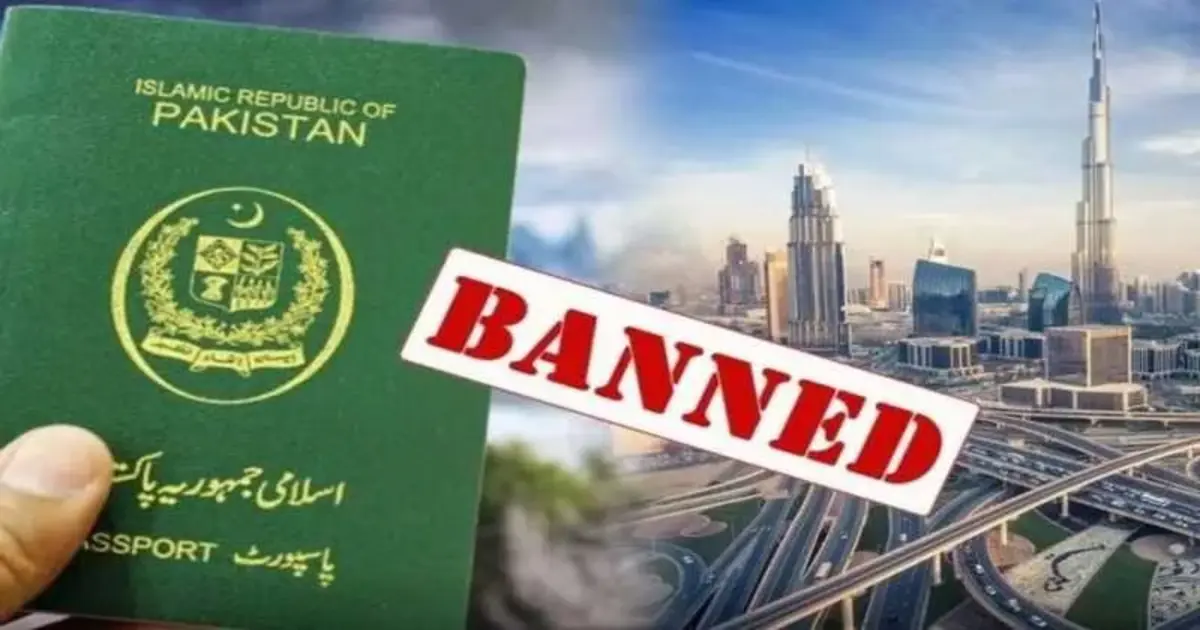
The United Arab Emirates (UAE) has suspended visa issuance for Pakistani nationals, citing concerns over involvement in criminal activities by some visitors. The decision underscores growing apprehensions among Gulf countries regarding the conduct of certain foreign nationals.
Government Statement and Official Remarks
Pakistan’s Additional Interior Secretary, Salman Chaudhry, revealed the development during a Senate Functional Committee on Human Rights meeting. He emphasized that once the visa ban is enforced, reversing it could prove extremely challenging, according to reports from Dawn newspaper.
Concerns Over Non-Work Visa Holders
Overseas Employment Promoter Aisam Baig highlighted that the UAE is particularly concerned about Pakistanis entering the country on visit visas rather than work permits. Many of these individuals reportedly resort to begging instead of engaging in legitimate employment.
Current Visa Regulations
At present, the UAE is issuing visas only to Pakistani citizens holding blue or diplomatic passports. Pakistani Senator Samina Mumtaz Zehri, chairperson of the Senate committee on human rights, noted that only a very limited number of individuals have successfully obtained visas, often after significant challenges. Previously, visa applicants were required to submit police-issued character certificates as part of the screening process.
Impact on Pakistani Travelers and Workers
Millions of Pakistanis travel to Gulf countries like Dubai and Abu Dhabi for work and leisure each year. Over 800,000 visa applications from Pakistan are submitted annually to Gulf and Middle Eastern countries. The new restrictions could significantly affect these travelers and expatriates.
Regional Ban and Wider Implications
In December 2024, the UAE, Saudi Arabia, and several other Gulf nations imposed indefinite visa bans on residents from at least 30 Pakistani cities. This action followed an increase in cases involving begging, smuggling, drug trafficking, human trafficking, and other criminal offenses committed by Pakistani nationals abroad.
Voices from the Public
Podcaster Nadir Ali shared his experience, stating, “Saudi Arabia and Dubai were popular destinations, but now visas are restricted. I faced serious challenges when attempting to travel for the IIFA Awards. Saudi Arabia has also issued warnings to Pakistan about the rising number of cases involving beggars.”
Economic and Social Implications
The UAE remains one of Pakistan’s largest trading partners in the Middle East and hosts a significant Pakistani expatriate community. The visa restrictions could have repercussions on labor migration, trade relations, and the broader socio-economic ties between the two nations.
Conclusion
The UAE’s decision to limit visa issuance to Pakistani citizens reflects increasing scrutiny over foreign nationals’ conduct. While aimed at curbing illegal activities, the move also poses challenges for legitimate travelers, workers, and businesses relying on cross-border mobility.
Related posts:
AI as a Job Enabler, Says Google Cloud CEO
Flipkart Big Bang Diwali Sale: Top Smartphone Deals Revealed
Ashwini Vaishnaw Backs Zoho for Swadeshi Tech Push
Yogi government takes big action on paper leak, gangster charges imposed on 23 including gang leader...
Atishi's parents fought for terrorist Afzal Guru: Swati Maliwal
Sakat Chauth 2026 Vrat: Rituals, Story & Aarti
About the Author