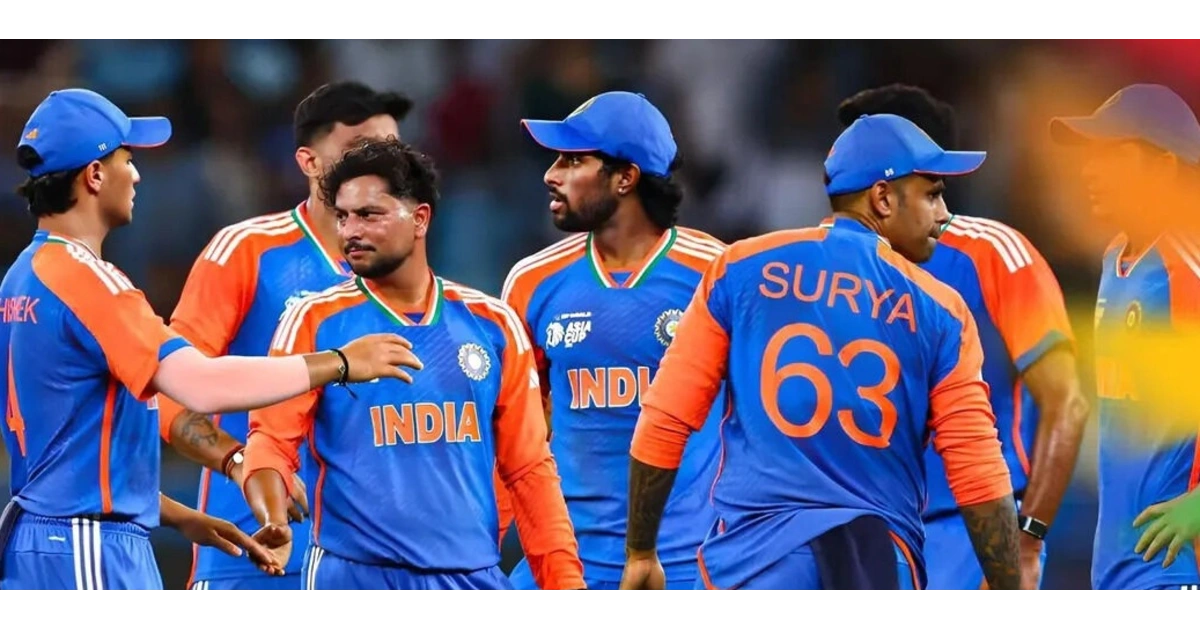
In the midst of rising tensions during the 2025 Asia Cup, Pakistan nearly pulled out of the tournament following a controversial incident in their group-stage match against India on September 14. The issue revolved around a post-match handshake snub and the role of veteran match referee Andy Pycroft, whom Pakistan accused of bias. However, the threat of a boycott was ultimately withdrawn, and the Pakistan team went on to face the UAE—albeit an hour late. Now, PCB Chairman Mohsin Naqvi and former board chief Ramiz Raja have publicly explained the decision.
Naqvi, speaking at a press conference alongside Najam Sethi and Ramiz Raja, acknowledged that the decision to boycott was seriously considered and was not merely a dramatic gesture. “It was a massive decision. We were monitoring the situation closely,” he said. “We had full backing from the Prime Minister, Shahbaz Sharif, and other top officials. But we decided to play on, to send a message that cricket must rise above controversy.”
The controversy stemmed from what Pakistan described as inappropriate behavior by match referee Andy Pycroft during and after the high-voltage clash with India. Naqvi confirmed that Pycroft had spoken to the team’s coach, captain, and manager and admitted that the post-match incident—believed to be India’s captain not shaking hands with Pakistani players—should not have happened.
“The incident could have been handled better, and we’ve asked the ICC to investigate the code of conduct violations,” Naqvi added. “Our stance is clear: politics has no place in sports. Cricket should remain untouched by these divisions.”
Adding to the narrative, Ramiz Raja voiced his own concerns, noting what he described as an uncomfortable level of favoritism. “Andy Pycroft has officiated in India’s matches around 90 times. I’ve seen this repeatedly—he’s almost a permanent figure when India plays,” said Raja. “That kind of consistency doesn’t seem neutral.”
He also criticized the Indian captain’s post-match comments, calling them a bigger issue than the handshake itself. “The editorializing at the presentation ceremony was inappropriate. But I’m glad we didn’t act out of emotion. That would have damaged the game.”
Raja emphasized that any protest must stay within the boundaries of the sport and that the right way to respond is on the field. “If there’s disappointment, channel it into performance. Let the world see why Pakistan is a cricketing powerhouse.”
While the ICC has yet to comment on whether it will investigate the referee’s role, the PCB has made it clear that they expect the issue to be reviewed to avoid similar incidents in future international events.
The decision to stay in the tournament, despite strong emotional and political pressure, is being seen as a mature move by the PCB. For now, Pakistan remains focused on cricket, even as off-field tensions simmer beneath the surface.
About the Author