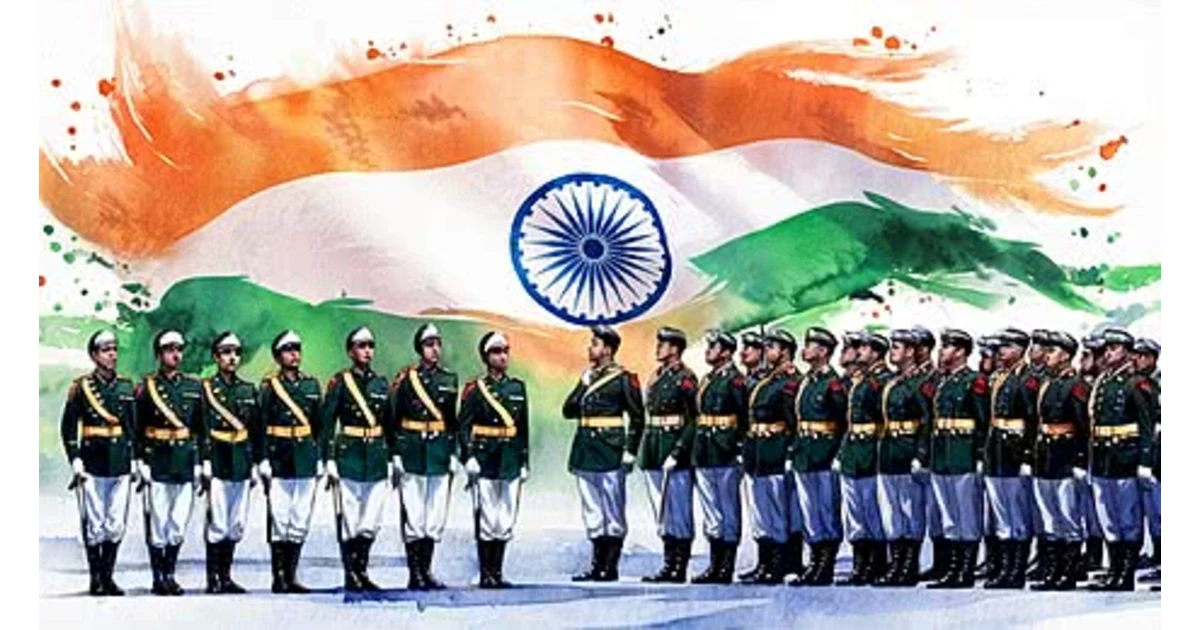
National Army Day, observed every year on 15 January, is more than a ceremonial occasion. It commemorates the day the Indian Army was first led by an Indian Commander-in-Chief. This day calls not for fireworks or fanfare, but for reflection, respect, and gratitude for the unwavering dedication of the nation’s defenders.
Beyond the Battlefield: The Indian Army’s Everyday Impact
National Army Day is not solely about borders and battles. It highlights the diverse ways in which the Indian Army serves the nation, often beyond the glare of public attention. Many of its most significant contributions unfold quietly, away from headlines, touching lives in profound ways.
1. Leading the Way in Disaster Response
When natural disasters strike—floods, earthquakes, cyclones, or landslides—the Indian Army is often the first to respond. Roads crumble, communications fail, panic spreads—but Army units arrive swiftly. From high-altitude rescues to urban evacuations, helicopters, engineers, medical teams, and divers are deployed with precision and speed. Their efforts combine discipline with compassion, often arriving before formal systems are fully operational.
2. Extending Help Beyond Borders
The Army’s humanitarian efforts are not confined to India. Across South Asia, it has provided critical support during crises, including earthquake relief, medical aid, evacuation assistance, and logistical help. These missions prioritize human life over politics or optics, stabilizing communities when local systems are overwhelmed. Aid comes first; questions come later.
3. Ensuring a Safe Democracy
India’s elections are among the largest and most complex in the world. In remote villages, sensitive areas, and crowded polling stations, Army personnel support civil authorities to maintain order. Their presence helps safeguard fairness, reduce tension, and ensure security. These efforts are quiet, disciplined, and entirely professional, requiring no applause.
4. Building Connections in Remote Regions
Many of India’s remote roads, bridges, and airstrips exist thanks to the Army’s engineering and infrastructure projects. These initiatives open previously inaccessible terrain, not only aiding defense mobility but also connecting villages, improving access to healthcare, and integrating isolated communities. Every road and bridge reflects progress laid layer by layer.
5. Caring for Animals and Livelihoods
In disaster zones and remote regions, the Army has also conducted veterinary and animal health camps. Livestock often represents the primary livelihood for families, and caring for these animals directly impacts human survival. These efforts, though rarely highlighted, demonstrate the Army’s holistic approach to service and protection.
Celebrating Duty Without Fanfare
National Army Day is more than parades and salutes. It is a reminder of quiet dedication, steadfast strength, and service performed without expectation of recognition. It honors the silent commitment of the men and women who safeguard lives, communities, and the nation every single day.
Related posts:
A 'man' won the gold medal in the women's event? No female athlete could compete
Groww IPO: Grey Market Premium Falls Ahead of Listing
MP Anurag Thakur tells Achievements of BJP Govt
ITD Cementation shares gain 11% on Adani Group acquisition news
PM Kisan e-KYC: Complete Now to Get 22nd Installment
NABARD Vacancy: NABARD Recruitment for Office Attendant for 10th pass, Salary 35000
About the Author