In a groundbreaking episode of Nikhil Kamath’s WTF Podcast released on Sunday, November 30, Tesla CEO Elon Musk offered his perspective on addressing the growing US debt crisis. The nearly two-hour conversation quickly captured global attention, drawing listeners eager to hear Musk’s insights.
Discussion on Rising US Debt
During the podcast, Nikhil Kamath asked Musk about the escalating debt in the United States and potential strategies to mitigate it. Kamath queried,
“Is that the way forward for the US by the virtue of how much debt they have today? Do they deflate away from the currency and transition into this new form and lead that push?”
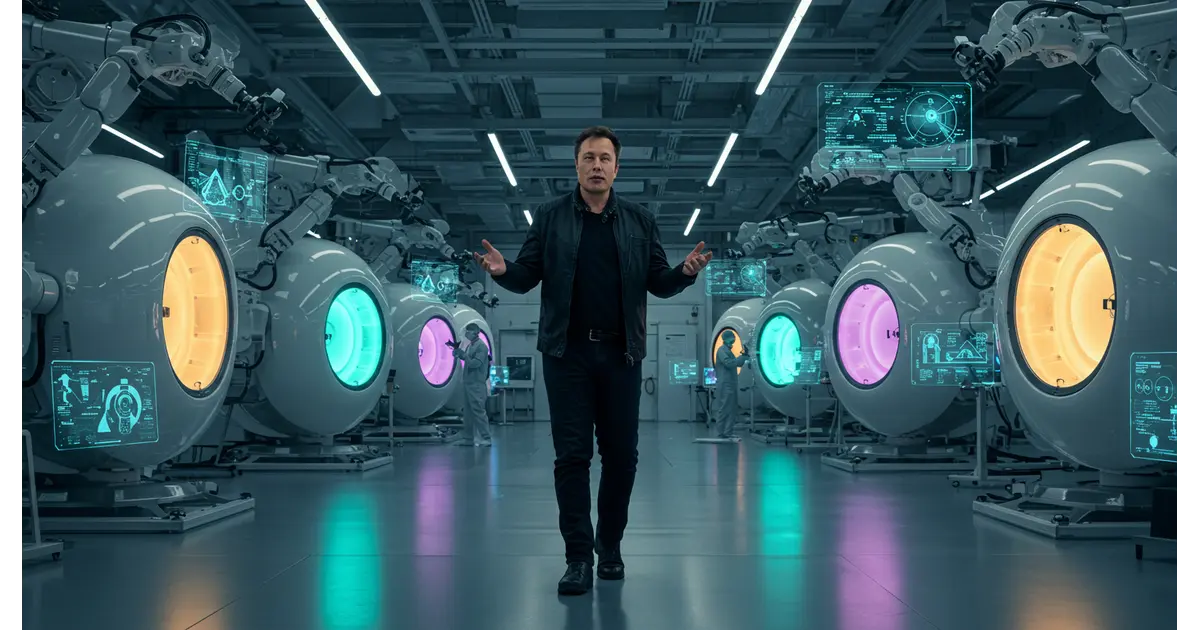
Musk responded by emphasizing the potential of artificial intelligence (AI) and robotics as a long-term solution.
Elon Musk Calls US Debt “Insanely High”
Musk described the current US debt level as extraordinarily high, pointing out that the interest payments alone exceed the entire US military budget. He warned that these payments are expected to rise further if no significant changes occur.
“So I think, actually, the only thing that can solve for the debt situation is AI and robotics,” Musk stated, highlighting the importance of technological advancement in addressing national economic challenges.
How AI and Robotics Could Reduce Debt
Musk explained that large-scale adoption of AI and robotics could lead to deflation, thereby reducing the debt burden. He noted that deflation occurs when the output of goods and services grows faster than the money supply.
“If real business services output increases slower than the money supply, you have inflation. But if AI and robotics dramatically increase output of goods and services, you probably will have deflation,” Musk explained.
According to Musk, within three years, the growth of goods and services driven by AI and robotics could outpace the expansion of the money supply, potentially easing the US debt situation.
The Future of Economic Solutions Through Technology
Elon Musk’s insights suggest that technological innovation, particularly in AI and robotics, may play a pivotal role in shaping the future of the global economy. By increasing productivity and reducing costs, these technologies could offer a path toward addressing some of the most pressing financial challenges facing the United States today.
About the Author