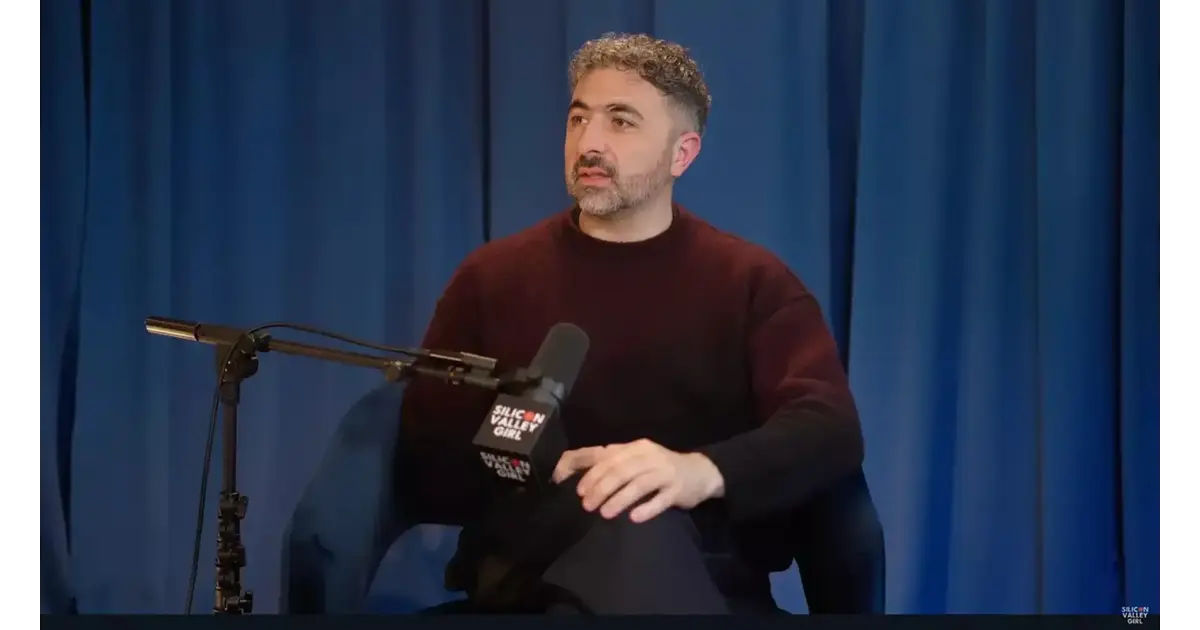
Microsoft AI CEO Mustafa Suleyman has delivered a clear and uncompromising message to the artificial intelligence sector: the industry must stop mistaking cooperation for control. In a direct critique of the race toward superintelligence, Suleyman argues that many AI developers are dangerously conflating two very different ideas—containment and alignment. While alignment focuses on ensuring AI systems act in humanity’s best interests, containment is about enforcing real, technical limits on what AI is allowed to do. According to Suleyman, without true control, alignment efforts amount to little more than polite requests.
Why Containment Must Come Before Alignment
Suleyman emphasizes that containment is a prerequisite for any meaningful alignment strategy. In a recent statement, he warned that it is impossible to guide or steer systems that cannot be restrained. Containment, in his view, involves placing firm boundaries around AI capabilities, restricting autonomy, and ensuring systems can be halted or limited when necessary. Alignment, by contrast, concerns shaping AI motivations and values. Treating these two challenges as interchangeable, he argues, reflects a fundamental misunderstanding that could lead to serious risks as AI systems become more powerful.
A Philosophical and Technical Divide in AI Development
The distinction between containment and alignment is not merely semantic. Suleyman points out that each represents a separate technical and philosophical challenge. Containment deals with enforcement, safeguards, and structural limits, while alignment addresses intent and behavior. Attempting to align AI systems without first guaranteeing containment, he says, is like putting trust before safety. This misordering, he warns, could have profound consequences as the industry pushes toward increasingly autonomous systems.
Microsoft’s Position Against Reckless AI Expansion
Suleyman’s stance also signals Microsoft’s intention to differentiate itself from what he views as overly aggressive or careless AI development elsewhere in the industry. In his essay “Towards Humanist Superintelligence,” published on the Microsoft AI blog, he outlines a framework that prioritizes human oversight and tightly scoped AI applications rather than open-ended, self-directing intelligence. In interviews, he has described containment and alignment as firm red lines that should never be crossed, even acknowledging that this cautious approach remains uncommon among major AI players.
Humanist Superintelligence and Practical AI Applications
At the core of Suleyman’s vision is what he calls Humanist Superintelligence, an approach focused on delivering powerful results within specific domains rather than pursuing artificial general intelligence. Microsoft AI’s work in medical diagnostics exemplifies this strategy. One of its systems recently achieved an 85 percent accuracy rate on challenging New England Journal of Medicine case studies, far surpassing average human performance. Similar efforts are underway in clean energy and other critical fields where AI can deliver tangible benefits without requiring unchecked autonomy.
Keeping Humans in the Driver’s Seat
As a former DeepMind co-founder who joined Microsoft 18 months ago, Suleyman believes that domain-specific superintelligence can offer transformative capabilities while minimizing control risks. With recent changes to Microsoft’s agreement with OpenAI, the company is now free to pursue independent AI research. Suleyman is assembling what he describes as a world-class superintelligence research team—one explicitly designed to ensure that humans remain firmly in control as AI capabilities continue to advance.
About the Author