The second season of Fallout, Prime Video’s blockbuster adaptation of the iconic video game series, has officially premiered. Set in a world devastated by nuclear war, the first season captivated audiences, winning over both long-time fans and newcomers unfamiliar with the games. Its unexpected success has had a notable impact on Bethesda Softworks, reviving interest in their titles and introducing new players to the franchise.
A Turning Point for Video Game Adaptations
Historically, video game-to-TV adaptations have struggled to impress, often criticized as cash grabs that stray far from their source material. However, the landscape began to shift with the release of The Last of Us in 2023. The adaptation of the PlayStation hit drew praise for its faithful storytelling and cinematic quality, winning over both fans of the game and general audiences.
While The Last of Us followed a linear narrative, Fallout opted for a different path, reflecting the open-world, freeform nature of the games. Unlike Joel and Ellie’s story, Fallout’s universe is expansive, filled with branching narratives, side quests, and a host of unique characters, providing both opportunities and challenges for adaptation.
Collaboration Between TV and Game Studios
Bethesda’s director, Todd Howard, was first approached about a Fallout adaptation in 2009 but only pursued the project after collaborating with executive producer Jonathan Nolan. Howard admired Nolan’s work on Westworld and films like The Dark Knight and Interstellar, creating a foundation of mutual respect. This partnership fostered trust between the TV and gaming teams, ensuring the series remained authentic to its source material.
Maintaining Canonical Fidelity
Studio design director Emil Pagliarulo, a Bethesda veteran, emphasized the importance of keeping the TV series “canon.” Every event in the show aligns with the game’s timeline, ensuring continuity for die-hard fans. While adapting a video game for television presents unique challenges, the creative teams worked closely to preserve the tone and spirit of Fallout, often consulting late at night to ensure canonical accuracy.
The TV Show’s Impact on the Games
The success of Fallout on Prime Video had immediate effects on the games themselves. Sales for most titles in the series surged, including Fallout 4, which topped charts years after release. Fallout 76, an online multiplayer game initially criticized for technical issues, saw its player base soar following the TV adaptation, demonstrating the powerful synergy between media formats.
Production director Bill LaCoste expected a bump in players, but the scale exceeded predictions. Creative director Jon Rush noted that new players engaging with the games influenced ongoing updates, illustrating a dynamic feedback loop between the TV series and the games.
Looking Ahead: Fallout 5 and Beyond
Fans eagerly anticipating Fallout 5 can expect the show’s events to influence the upcoming game. According to Todd Howard, the new installment will exist in a world shaped by the stories and events depicted in the TV series. While not all viewers may become players, the show allows a wider audience to experience the Fallout universe, expanding the fan base and enriching the narrative continuity across media.
New Adventures in Fallout Season 2
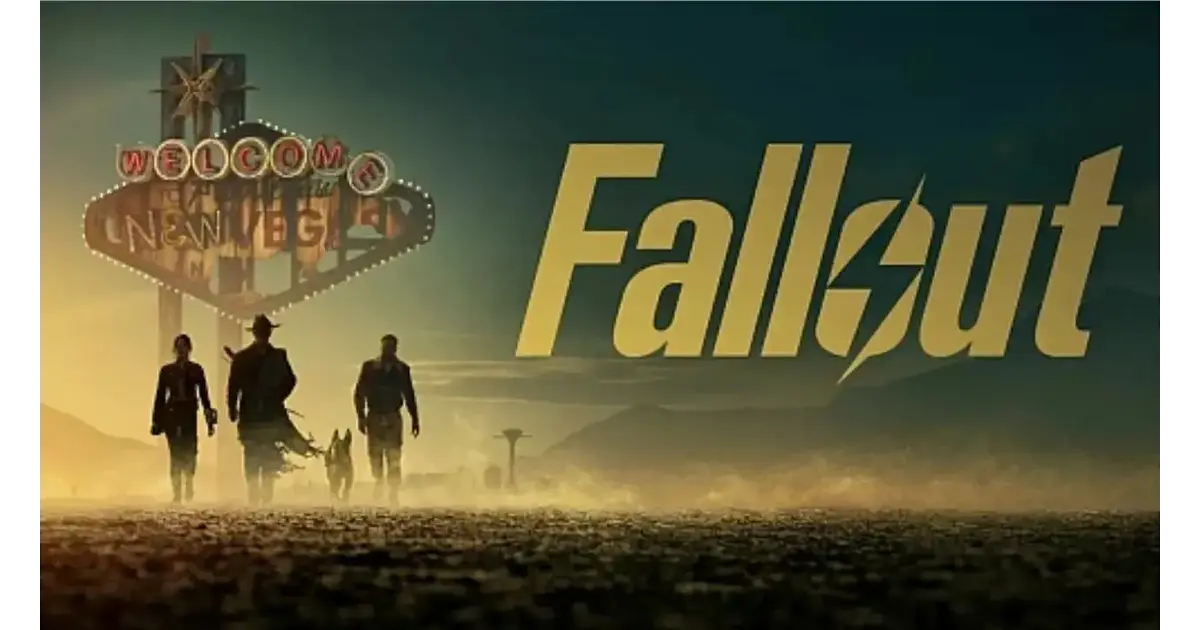
The second season takes viewers to fan-favorite locales, including New Vegas, promising new conflicts, characters, and twists in the post-apocalyptic saga. While the long-term effect on game sales remains uncertain, the integration of Fallout’s storytelling with television has created a unique cultural phenomenon that bridges gamers and general audiences alike.
About the Author