Legendary Cricketer in the Eye of a Corruption Investigation
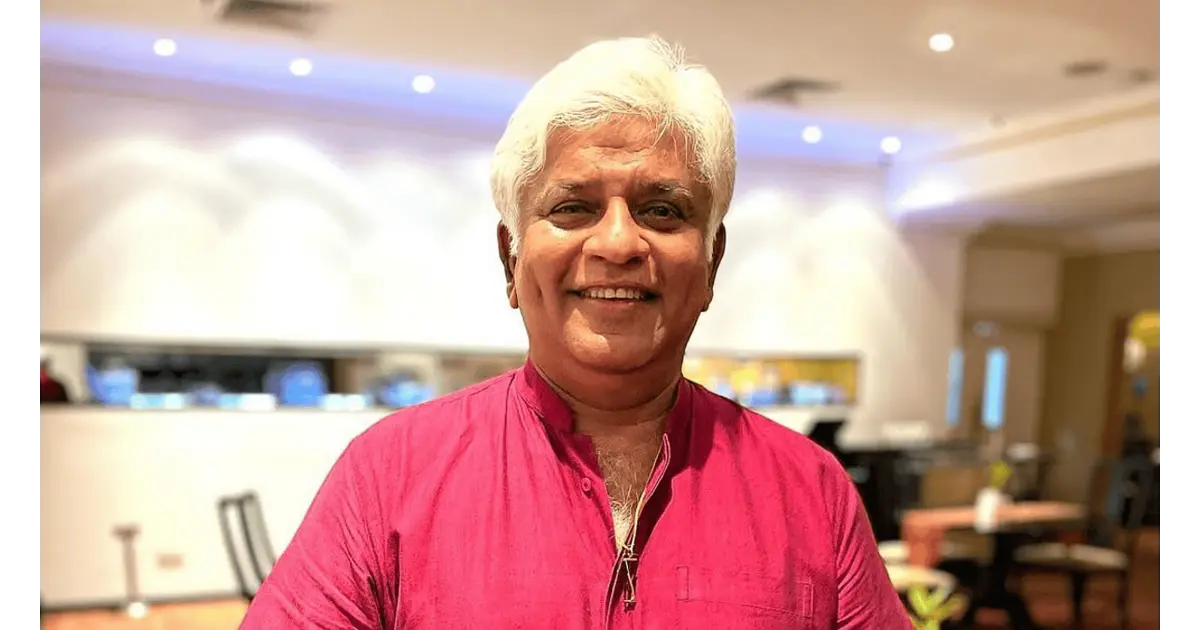
Sri Lanka’s cricket icon, Arjuna Ranatunga, who famously captained the nation to its 1996 World Cup victory, is under the spotlight for alleged involvement in a high-profile oil scam. The controversy reportedly revolves around a financial loss of Rs. 800 million to the Ceylon Petroleum Corporation (CPC) due to the mismanagement of spot tenders during his tenure as Minister of Petroleum Resources Development. Ranatunga is currently overseas, which has delayed immediate legal action against him.
Family Ties Under Investigation
Arjuna’s brother, Dhammika Ranatunga, a former chairman of the CPC, was the first individual produced in court over the allegations. Arjuna has been named as the second suspect in the case. Dhammika was granted bail after providing a surety of Rs. 1 million and received a stern warning against influencing witnesses during the ongoing investigation.
The allegations were presented in court by Anusha Sammandapperuma, assistant director of legal affairs representing the Bribery Commission. According to her, three long-term tenders for fuel procurement by the CPC in 2017–2018 were cancelled, and the subsequent decision to use spot tenders at higher rates allegedly resulted in the massive financial loss.
Legal Proceedings and Court Appeals
The Bribery Commission’s legal team requested court intervention to enable the arrest of Arjuna Ranatunga, citing his overseas status as a barrier to immediate action. They sought a court order to remand the suspect while the investigation continues.
A Fall from Grace
Once celebrated for his cricketing prowess, Arjuna Ranatunga’s legacy now faces a challenging chapter. Known for his integrity off the field, he previously refused to endorse commercial advertisements extensively, citing moral guidance from his mother. In 2010, he shared how she stopped him from monetizing his image beyond charitable causes, including campaigns for a General Hospital, a polio drive, and garbage disposal awareness.
Ranatunga recalled, “I got 250 rupees for my first Test and traveled by train to the game. When Lipton Tea offered me 250,000 rupees for an advertisement, my mother intervened. She told them, ‘My son is not for sale,’ and reminded me to never sell my talent or face for anything.” This story contrasts sharply with his current legal troubles, highlighting the dramatic turn in his personal and public life.
About the Author