A Turbulent Coronation
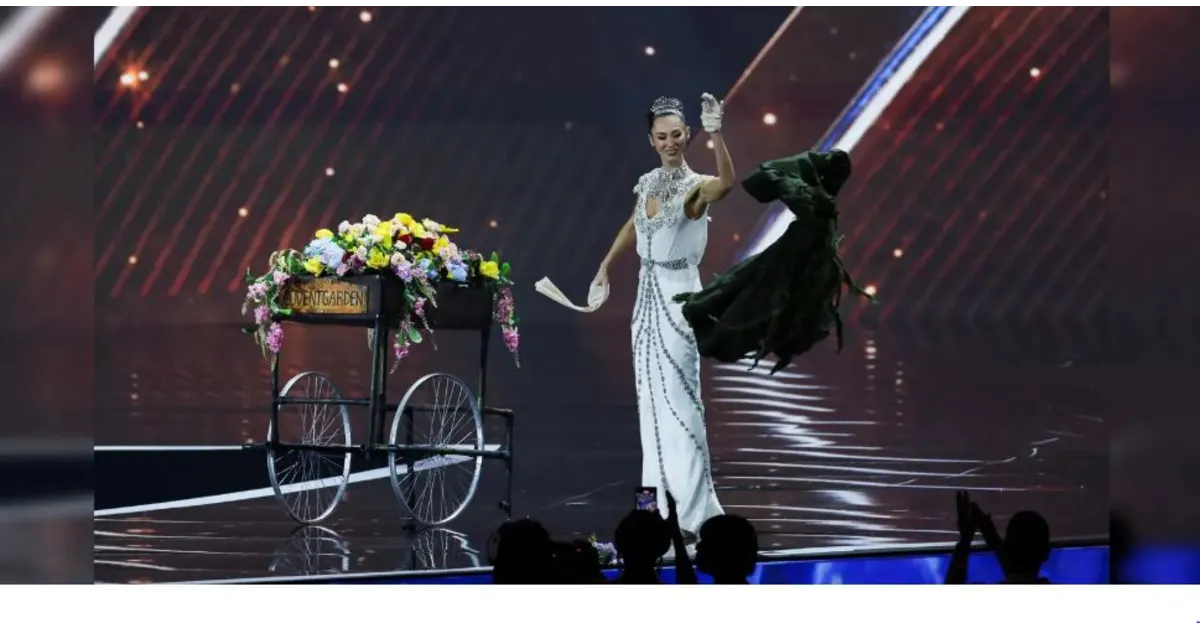
When the sparkling crown adorned with diamonds and pearls is placed on the head of the new Miss Universe in Bangkok this Friday, it will conclude what has been an unusually tumultuous edition of the pageant. In the lead-up to the event, contestants alleging mistreatment staged walkouts, and two judges resigned amid claims of rigging. Observers say these controversies highlight the cultural and operational differences between the pageant’s Thai and Mexican stakeholders.
The crowning marks the 74th edition of Miss Universe since its inception in 1952 and demonstrates the organization’s determination to remain relevant, evolving from a traditional televised spectacle to a social media-savvy brand ready for platforms like TikTok.
Miss Universe: History and Purpose
Founded in the United States, Miss Universe is one of the world’s longest-running beauty contests, alongside Miss World. Beyond glamour, the pageant offers contestants a platform to advocate for global causes such as HIV/AIDS awareness and education for children. Winning the crown can also propel participants into local and international stardom.
Thailand hosts the Miss Universe pageant for the fourth time. This year, Thai-Indian contestant Praveenar Singh is a frontrunner according to fan predictions. A victory would mark Thailand’s third Miss Universe title, the first since 1988. Following Thailand’s acclaimed 2018 staging, expectations for this year’s pageant were particularly high.
Behind the Scenes Drama in Bangkok
The event is organized by Thai media mogul Nawat Itsaragrasil, founder of Miss Grand International, a smaller, social media-focused Thai pageant. Nawat holds the license to host Miss Universe 2025, while the global organization operates from Mexico under businessman Raul Rocha.
Pageants have historically been dominated by North, Central, and South American winners, but recent years have seen the rise of Southeast Asian contenders, especially from Thailand, the Philippines, and Indonesia. For many, winning a crown represents an escape from poverty and a pathway to celebrity.
Tensions escalated early when Nawat publicly reprimanded Miss Mexico, Fatima Bosch, for not posting promotional content. Threatening disqualification for her supporters, he prompted Bosch and others to leave in protest. The Miss Universe Organization condemned his behavior, and Raul Rocha called on Nawat to stop. Nawat later apologized, claiming a misunderstanding, and an international delegation temporarily took over pageant operations.
Judges Resign Amid Allegations
The controversy continued when two judges resigned shortly afterward. Lebanese-French musician Omar Harfouch accused organizers of pre-selecting finalists, while French footballer Claude Makelele cited “unforeseen personal reasons” for his departure. Miss Universe Organization denied any external influence on finalist selection, clarifying that the Beyond the Crown program operates independently.
Additionally, Miss Jamaica suffered an onstage fall during the preliminary evening gown round, requiring hospitalization, adding to the sense of turbulence surrounding the event.
Leadership Transitions and Cultural Tensions
The 2025 pageant coincides with significant leadership changes. Thai transgender media mogul Anne Jakrajutatip resigned as CEO shortly before the events and was replaced by Guatemalan diplomat Mario Bucaro. Jakrajutatip, who acquired Miss Universe in 2022, made sweeping reforms for inclusivity, allowing transgender women, married women, and mothers to participate while removing the age cap. She also attempted to monetize the brand through merchandise.
Miss Universe now operates under a split leadership between Bangkok and Mexico, creating confusion among fans and participants. Experts note that cultural differences play a role in organizational tensions. Scholar Thitiphong Duangkhong emphasized that Thailand’s social and linguistic context differs from Latin American norms, which may affect perceptions of inclusivity and authority within the pageant.
The Future of Miss Universe
Audience numbers for televised broadcasts have declined as social media rises in prominence. Platforms like TikTok and Instagram allow past titleholders to engage millions of followers, transforming them into influencers. Nawat’s Miss Grand International model of e-commerce integration is expected to influence Miss Universe, though Latin American audiences still value traditional televised glamour.
Despite controversies, former queens continue to leverage the platform for social good. Catriona Gray, Miss Universe 2018, used her Instagram following to support disaster relief efforts in the Philippines. The pageant also adapts to cultural sensitivities, allowing contestants from conservative nations to wear full-body swimsuits instead of bikinis.
Former Miss Universe Organization president Paula Shugart emphasized the pageant’s core mission: empowering women. “Miss Universe is nothing if you’re not empowering the women that compete,” she said.
Conclusion
The Miss Universe 2025 pageant in Thailand exemplifies both the glamour and challenges of a global institution in transition. Amid cultural clashes, leadership changes, and controversies, the pageant continues to evolve—balancing tradition with modernity, entertainment with advocacy, and global branding with local sensitivities.
About the Author