Iranian Airspace Closure Causes Global Flight Disruptions
A Delhi-bound IndiGo flight narrowly avoided entering Iranian airspace after Tehran abruptly shut its skies amid escalating domestic unrest. The unexpected closure created widespread disruptions for international flights, prompting major Indian carriers to reroute or cancel several of their services.
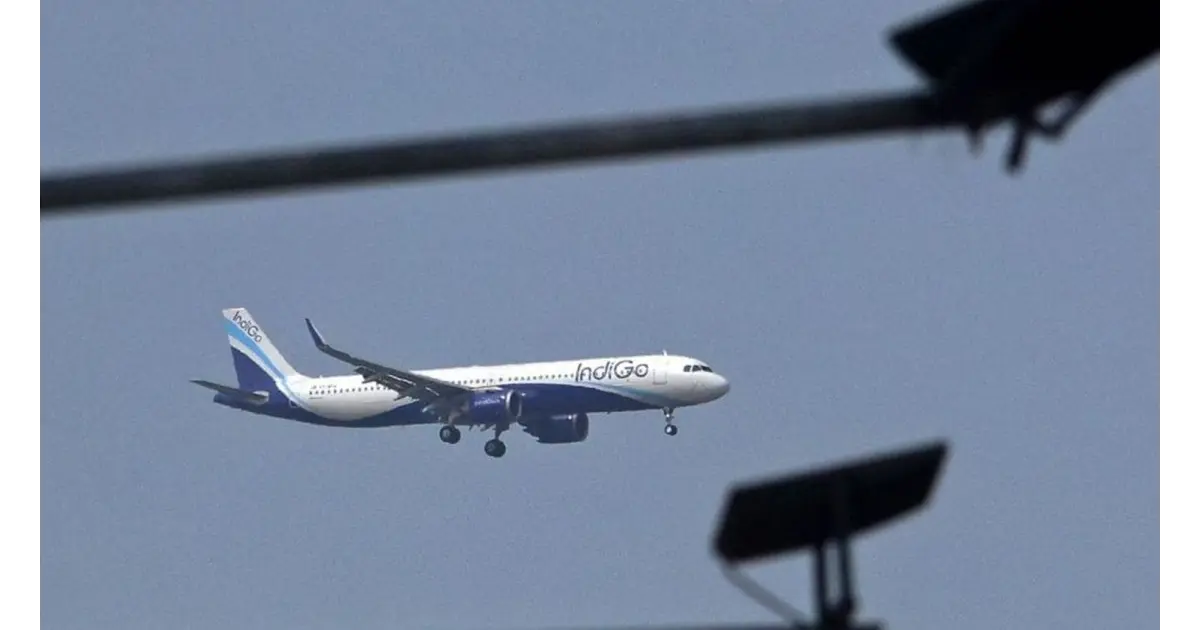
Flight tracking data revealed that IndiGo flight 6E1808, departing from Tbilisi, Georgia, passed over Iran around 2:35 am on Thursday, mere minutes before the airspace closure took effect at approximately 3:00 am. This flight is believed to have been the last non-Iranian aircraft to traverse Iranian airspace before Tehran issued a Notice to Airmen (NOTAM), temporarily halting most commercial flights except a select number of approved international operations.
The restriction lasted over four hours, according to guidance issued by Iranian aviation authorities. Positioned along a vital east-west corridor, the region forced international airlines to divert flights either north or south around Iran. By 7:00 am, following an extension, the closure appeared to have lifted, allowing several domestic flights to resume operations.
Flight Operations Disrupted on Key International Routes
The sudden airspace closure comes amid widespread protests against Iran’s Supreme Leader, Ayatollah Ali Khamenei, and growing tensions with the United States. While Iran has previously restricted airspace during regional conflicts, including the 12-day Israel-Hamas confrontation in June, this closure occurred despite no immediate signs of active hostilities. Nevertheless, global airlines were forced to react quickly due to Iran’s location on a crucial east-west flight corridor.
According to SafeAirspace, a platform monitoring conflict zones and aviation safety, “Several airlines have already reduced or suspended services, and most carriers are avoiding Iranian airspace. The situation may indicate potential security or military activity, increasing the risk of misidentifying civilian aircraft.”
Impact on Indian Airlines
Major Indian airlines, including Air India, IndiGo, and SpiceJet, reported rerouting or canceling some international flights as a direct consequence of the airspace closure.
Air India announced the cancellation of early morning flights such as Delhi-New York JFK (AI 101), Delhi-Newark (AI 105), and Mumbai-JFK (AI 119), including their return services. IndiGo’s Baku-Delhi flight was forced to return to Baku within an hour as the intended route required flying over Iran after crossing the Caspian Sea.
Air India noted, “Due to the emerging situation in Iran and the subsequent closure of its airspace, flights overflying the region are now using alternative routes, which may cause delays. Flights are being canceled where rerouting is not possible.”
IndiGo added, “The sudden airspace closure has impacted some of our international flights. Our teams are working diligently to assist affected passengers and provide alternative options.”
SpiceJet also confirmed disruptions, emphasizing that passenger and crew safety remains the top priority, and urged travelers to check flight statuses online.
Broader International Effects
Other global carriers, including Lufthansa, have similarly adjusted operations. Lufthansa announced, “Due to the current situation in the Middle East, flights to and from Tel Aviv and Amman will operate only as day flights from Thursday, January 15, through Monday, January 19, 2026. Flight cancellations may occur, and all Iranian and Iraqi airspace will be avoided until further notice.”
The sudden Iranian airspace closure highlights the ongoing volatility in the region and its immediate effects on global air travel.
About the Author