Strategic Shift in Ford’s EV Strategy
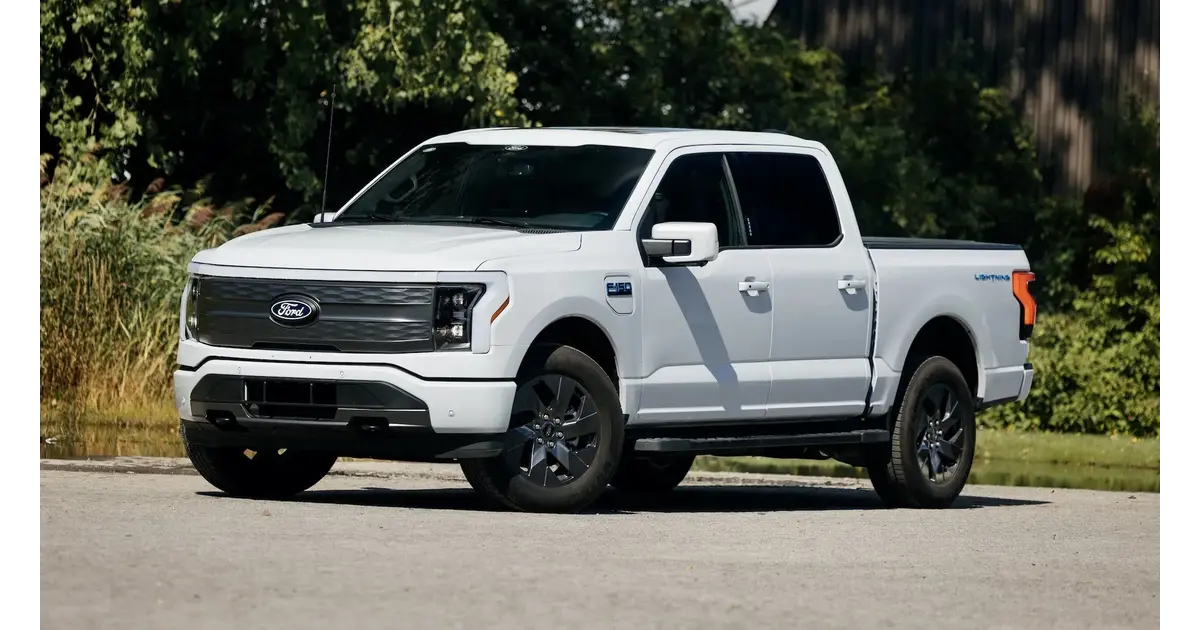
Ford Motor Company has announced the cessation of production for its all-electric F-150 Lightning, the company’s flagship full-size electric pickup. Moving forward, Ford will prioritize hybrid vehicles and a new lineup of smaller, more affordable electric vehicles (EVs). Battery plants initially dedicated to supplying the Lightning will now redirect their output to support the electric grid.
According to Ford, this strategic pivot reflects both customer demand and the financial realities of the Lightning. The all-electric truck consistently lost money, and the company concluded that continued production was unsustainable.
Consumer Demand Shapes the Decision
“The American consumer is speaking clearly and they want the benefits of electrification like instant torque and mobile power,” said Andrew Frick, president of Ford Blue and Ford Model e, the company’s commercial and electric divisions. “But they also demand affordability … rather than spending billions more on large EVs that now have no path to profitability, we are allocating that money into higher-returning areas.”
From Gas-Powered Roots to Extended-Range Hybrid
The F-150 Lightning’s design originally evolved from a gas-powered truck. With the new plan, Ford will introduce a plug-in hybrid version that integrates a gasoline engine as a generator. This will allow the truck to continue driving even if the battery is depleted, effectively replacing the all-electric Lightning with an extended-range variant.
Pricing and Popularity Challenges
The Lightning launched in 2021 with a starting price of $40,000, generating considerable excitement. However, production realities pushed prices significantly higher, with the 2025 model starting around $55,000. While it retained a traditional truck aesthetic and innovative features like onboard power outlets for tools and appliances, affordability became a barrier for mainstream buyers.
Despite these challenges, the Lightning earned accolades, including MotorTrend’s 2023 Truck of the Year, the North American Car, Utility and Truck of the Year Award, and Kelley Blue Book’s top pick for electric trucks in 2024. It was also America’s best-selling electric truck in the most recent quarter.
Market and Reliability Hurdles
The broader electric pickup market has struggled to meet expectations for performance, affordability, and sales. The Lightning faced specific criticisms, particularly around limited range when towing, which diminished its appeal for traditional truck buyers. Ford also lost money on every unit sold, with production costs remaining higher than anticipated.
Regulatory and Policy Shifts
External factors played a role in Ford’s decision. The Trump administration rolled back EV incentives and emissions standards, including a $7,500 tax credit for EV buyers. This policy shift reduced the financial rationale for producing unprofitable large EVs, allowing automakers to focus more on gas- and diesel-powered trucks without regulatory penalties. Frick noted that changes in the regulatory environment were part of the broader “landscape” influencing Ford’s discontinuation of the all-electric Lightning.
The Future of Ford EVs
Ford’s EV ambitions will now center on smaller, more cost-effective vehicles. The company has announced a midsize pickup truck with a targeted price of $30,000, expected to launch in roughly a year. While this strategic pivot will result in billions of dollars in write-offs this year, Ford hopes to replace the money-losing Lightning with vehicles that are profitable.
Repurposing Battery Production
Ford’s shift also leaves the company with excess battery production capacity. To address this, a Kentucky battery plant will be repurposed to manufacture stationary storage batteries. These batteries will help balance the electric grid, storing electricity when renewable energy sources are abundant and discharging it when demand is high—a trend already transforming grids in states like California and Texas.
Ford’s decision signals a broader recalibration in the EV market, highlighting the challenges of large electric pickups and the growing importance of cost-effective, versatile electrification solutions.
About the Author