Introduction
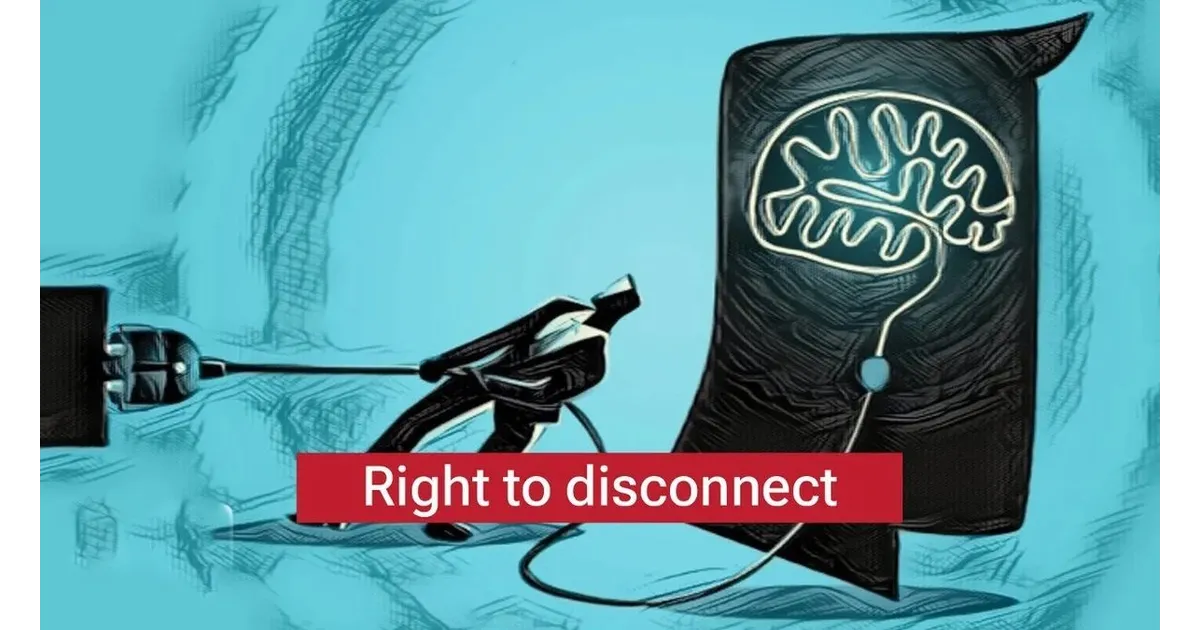
At a time when prominent business leaders advocate extreme work hours, Lok Sabha MP Supriya Sule has introduced a private member’s bill aimed at protecting employees from the pressures of after-hours work. The legislation, known as “The Right to Disconnect Bill, 2025,” seeks to establish boundaries in India’s increasingly digital and always-on work culture.
Originally introduced in 2019, the bill was reintroduced on Friday with the goal of fostering healthier work-life balance and reducing burnout among employees.
What is the Right to Disconnect Bill 2025?
Employee Rights Beyond Office Hours
The Bill explicitly grants employees the right to refuse calls, messages, or emails outside regular work hours. While employers can still reach out, employees are under no obligation to respond, safeguarding personal time and mental well-being.
Overtime Compensation for Voluntary Work
If an employee chooses to respond to out-of-hours communication, the Bill mandates overtime pay at the normal wage rate. This ensures that voluntary work outside office hours is fairly compensated.
Protection Against Retaliation
Employees who exercise their right to disconnect are protected from disciplinary action by their employers, reinforcing the principle that personal time cannot be penalized.
Flexible Communication Agreements
Employers may contact employees outside work hours only if both parties mutually agree to the timing. This provision balances business needs with employee rights.
Counseling and Digital Detox Support
The Bill encourages the government to offer counseling services and digital detox programs, helping employees manage technology use and maintain a healthy lifestyle. These measures aim to reduce stress associated with constant digital connectivity.
Penalties for Non-Compliance
Organizations failing to comply with the Bill’s provisions could face sanctions up to 1% of their total employee remuneration, ensuring accountability and adherence to the new norms.
Context: The Work-Life Balance Debate in India
Leadership Perspectives on Extended Work Hours
The bill emerges amid ongoing debates about work culture in India. In 2023, Infosys co-founder Narayana Murthy stirred controversy by advocating a 70-hour work week, a stance he reaffirmed in 2024, rejecting the concept of work-life balance.
Similarly, Larsen & Toubro Chairman SN Subrahmanyan expressed regret for not making employees work on Sundays and endorsed the notion of 90-hour work weeks.
Other Industry Views
Gautam Adani emphasized that work-life balance should be personal and not imposed, while Ola Electric CEO Bhavish Aggarwal criticized the Western concept of weekends, highlighting India’s historical work patterns.
Employee Perspective
In contrast, Namita Thapar, Shark Tank India judge and executive at Emcure Pharmaceuticals, strongly opposed the extended hours narrative for employees, arguing that founders’ work habits cannot dictate standard workplace norms.
Conclusion
The Right to Disconnect Bill 2025 represents a significant step toward formalizing work-life boundaries in India’s modern workplace. By protecting employees from after-hours demands, mandating compensation for extra work, and promoting digital wellness, the Bill seeks to address burnout while respecting organizational needs.
About the Author