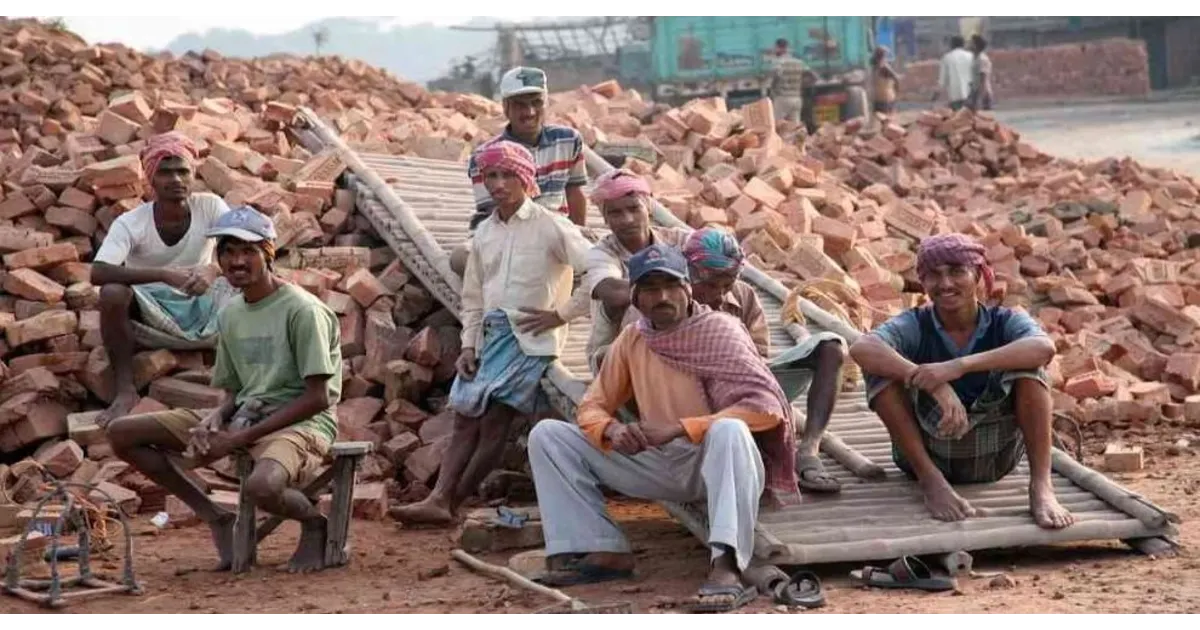
A Historic Overhaul of Labour Regulation
In a landmark restructuring of India’s labour governance framework, the Government has officially brought into force the Four Labour Codes—the Code on Wages (2019), Industrial Relations Code (2020), Code on Social Security (2020), and Occupational Safety, Health and Working Conditions (OSHWC) Code (2020). This sweeping reform replaces and rationalises 29 fragmented central labour laws, marking what the Government described as a historic decision. Effective 21 November 2025, the new codes are the product of years of stakeholder consultations and harmonisation efforts aimed at modernising India’s labour ecosystem.
A Modern Framework for a Future-Ready India
The Government emphasised that the new codes are designed to build “a protected, future-ready workforce and resilient industries,” aligning labour reforms with the vision of Aatmanirbhar Bharat. India’s earlier labour regulations—many originating between the 1930s and 1950s—were crafted for a vastly different industrial era. These outdated and often overlapping rules increased compliance burdens and left millions of gig workers, contract staff, and informal labourers outside the social security net. The Four Labour Codes consolidate these scattered provisions into a streamlined, contemporary framework focused on fair wages, comprehensive social security, improved safety, and significantly simplified compliance.
How the Labour Landscape Evolves
Key Changes in Employment and Worker Welfare
- Mandatory appointment letters for all workers, encouraging transparency and formalisation.
- Universal social security coverage including PF, ESIC, insurance, and additional benefits for gig and platform workers.
- Statutory minimum wages for all workers, ending the earlier sector-specific approach.
- Annual health check-ups for workers over 40, promoting preventive care.
- Strict rules ensuring timely wage payment, eliminating discretionary delays.
- Women permitted to work night shifts across all sectors, including mining and hazardous industries, with mandatory safety measures.
- Nationwide ESIC coverage, extending to small and hazardous establishments.
- Single registration, licence, and return system to drastically cut compliance complexity.
Sector-Wise Impact of the Labour Codes
Fixed-Term Employees
Workers employed on fixed-term contracts now enjoy the same benefits as permanent staff, including eligibility for gratuity after completing one year.
Gig & Platform Workers
For the first time, gig and platform workers receive formal legal recognition. Aggregators must contribute 1–2% of their turnover to dedicated welfare funds supporting these workers.
Contract Workers
Contract labourers are ensured social security, annual medical check-ups, health protection, and fair treatment across establishments.
Women in the Workforce
The Codes guarantee equal pay, non-discrimination, expanded definitions of family, and safe night-shift arrangements—unlocking greater employment opportunities for women.
Youth Workers
Young workers benefit from mandatory appointment letters, minimum wages, and wage protection even during leave, preventing exploitation.
MSME Workforce
MSME employees gain stronger protections including minimum wages, social security, safe working conditions, and clearer work-hour regulations.
Beedi, Plantation, Textile & Dock Workers
These traditionally vulnerable sectors receive enhanced safety provisions, access to medical care, regulated working hours, and compulsory overtime compensation.
Audio-Visual & Digital Media Professionals
Structured employment terms, timely salaries, and overtime rules bring much-needed stability to creative and digital media sectors.
Mining & Hazardous Industry Workers
National-level safety standards, annual medical examinations, mandated safety committees, and expanded protections for women represent a major uplift in workplace safety.
IT & ITeS Sector
Companies must ensure salary release by the 7th of every month, maintain grievance redressal systems, ensure equal pay, and facilitate safe night-shift opportunities for women employees.
Export and Manufacturing Sector Workers
Workers in export-oriented industries gain access to gratuity, provident fund coverage, secure night-shift options for women, and strong wage protection mechanisms.
Systemic Reforms Introduced by the Codes
- A uniform National Floor Wage, preventing workers from falling below basic living standards.
- Gender-neutral employment provisions, including protections for transgender employees.
- Introduction of an Inspector-cum-Facilitator model focusing on guidance rather than punishment.
- Two-member Industrial Tribunals for faster, more efficient dispute resolution.
- Establishment of a National OSH Board to unify safety norms across sectors.
- Mandatory Safety Committees in establishments employing over 500 workers.
- Higher factory applicability thresholds to ease compliance for small businesses.
The Government highlighted a significant expansion in India’s social-security footprint—from 19% of the workforce in 2015 to over 64% in 2025. The new Codes aim to expand this even further, ensuring portability of benefits across states and sectors, particularly benefiting gig workers, migrant labourers, and informal-sector employees. During the transition phase, existing rules under older labour laws will remain valid until replaced by updated schemes and regulations framed in consultation with relevant stakeholders.
About the Author